
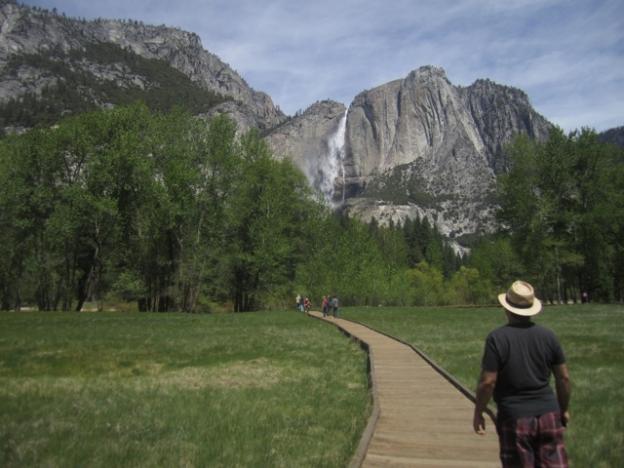
As national parks labor under budget cuts and deferred maintenance, agency directors consider raising the entrance fee for Yosemite, Grand Canyon, Yellowstone and other iconic parks.
by Maya Desai
Oct. 8, 2014—A weekend getaway to Yosemite might become a bit more pricey by next year, if the National Parks Service’s proposed fee increase passes. According to the park's website, Yosemite visitors currently pay $20 per car for a week in the park. By 2016, Yosemite might raise that price to $30.
The National Parks Service is not singling Yosemite out. The proposal would raise prices on all 131 national parks that currently charge an entry fee, including the Grand Canyon, Yellowstone, and Glacier national parks, as the National Parks Traveler reports.
National park fees are determined by the park size and expenses, and vary park to park.
Read Yosemite, The First California State Park
Read Happy Birthday, Yosemite
According to a memo sent from National Parks Service chief Jon Jarvis to the national parks superintendents, the parks must reach out to their visitors and community and “document the support and concerns expressed by the public” before raising fees. If the fee hike ignites controversy, a park may delay or become exempt from the fee increase. Fall 2014 is the outreach phase.
This is the first fee increase for Yosemite since 2008, according to the High Country News. Even with the proposed fee increase, Yosemite—and all national parks—is still a good deal. But the cost of campsites and cabins within the park will likely increase as well, pushing up the price of a Yosemite trip on all fronts. This price hike could nudge out people for whom Yosemite is already a splurge, making America’s national parks system less accessible to many Americans.
According to the National Parks Conservation Organization, the National Parks Service is suffering under federal budget cuts. The national parks collectively have a $12 billion backlog of necessary maintenance, partially because of budget cuts, and the income from the fee hike could help alleviate that burden. Jarvis’s letter also specifies that money would be used to improve visitor experience. Lastly, the money would spruce up the parks in time for the 2016 celebration of the 100-year anniversary of the creation of the national parks system.
Historically, national parks were enclaves of the elite. As the Idaho Statesman writes, in 1915, Yellowstone National Park charged visitors $10 per car per week. Adjusted for inflation, that would be akin to a $235 fee. But our philosophy of who parks should serve has evolved in the past century, and park prices have evolved with it.
There is no news yet on whether the National Parks $80 annual pass will increase in price.
Category:


